Wondering when to put your Evansville home on the market? Timing affects everything from how quickly you get an offer to the price you negotiate and when you can move. If you want a smooth sale and a stress‑free move, a little planning goes a long way.
In this guide, you’ll learn how seasonality works in Vanderburgh County, how to work backward from your ideal move date, and what prep steps help you catch spring demand. You’ll also see pros and cons for each season and a simple timeline you can follow. Let’s dive in.
What “best time” means in Evansville
The rhythm of the local market
Most residential markets follow a seasonal pattern. In Evansville, buyer interest typically rises in late winter and peaks in spring, stays solid through early summer, and tapers through fall into winter. Weather, school calendars, and local employers all play a role.
This spring bump often brings more showing activity and quicker offers. You may have stronger negotiating power if inventory is tight. Keep in mind that more sellers also list in spring, so your pricing and presentation matter.
Why spring momentum matters
Spring usually delivers the most buyer traffic. Curb appeal improves as lawns green up and landscaping comes alive. Many households aim to move around the school calendar, which helps drive demand into early summer. The upside is speed and leverage. The tradeoff is more competition, which means you should launch with polished photos, clean staging, and the right price.
When spring is not the only answer
You can sell successfully in any season if you plan for the conditions. Fall can bring motivated, job-driven buyers with less competition. Winter has fewer shoppers but also fewer listings, which can help your visibility. Summer is convenient for many moves, though vacations can slow showings. Your personal timeline, property type, and current mortgage-rate environment can shift what’s “best” for you.
Season-by-season pros and cons
Spring
- Pros: Strong buyer interest, fresh curb appeal, convenient timing for many households.
- Cons: More competing listings, soggy yards early in the season if not managed.
Summer
- Pros: Ongoing demand, easier scheduling for many moves during school breaks.
- Cons: Buyer vacations can slow showings, heat can stress landscaping.
Fall
- Pros: Serious buyers, often with relocation timelines, and less competition than spring.
- Cons: Fewer total showings, leaves and mud can affect first impressions.
Winter
- Pros: Motivated buyers and less competition, potential for quicker negotiations.
- Cons: Smaller buyer pool, exterior photos and curb appeal are less vibrant.
Work backward from your ideal move date
Typical list-to-close timeline
From the day you decide to sell to the day you hand over keys, plan on about 2 to 4 months, depending on prep and demand. Break it into three phases:
- Prep and marketing: 1 to 8 weeks, depending on repairs and staging.
- Time to offer: varies by season and price point; spring tends to be faster.
- Contract to close: about 30 to 45 days for financed buyers. Cash can close in 2 to 3 weeks in ideal cases.
Inspection periods typically fall within the first 7 to 14 days after accepting an offer. Minor fixes might take a few days to 2 weeks. Larger repairs or permitted work can take 4 to 8 weeks or more, depending on contractor schedules and permitting.
Example: Aiming for a summer move
If you want to move between late May and early July, plan to list in March or April. That timeline lets you attract spring buyers, negotiate, and close within the common 30 to 45 days for financed offers. If you’re in a hurry, a pre-listing inspection and pricing strategy can help you attract pre-approved or cash buyers.
Key scheduling risks to plan for
- Contractor lead times, especially in spring and summer.
- Appraisal and underwriting delays.
- Title issues that require extra documentation.
- Weather-related delays for exterior work or moving.
Build buffers into your schedule and communicate early with your agent so everyone stays aligned.
A practical prep timeline for Evansville sellers
Full prep launch (10–12 weeks)
Aim for this path if you want top presentation and the strongest launch.
- Weeks 10–8: Order major contractors, schedule permits if needed, and consider a pre-listing inspection focused on roof, HVAC, and major systems.
- Weeks 7–5: Complete larger repairs or upgrades.
- Weeks 4–3: Declutter, deep clean, touch-up paint, and handle minor fixes.
- Week 2: Stage the interior, freshen landscaping, and schedule photography.
- Week 1: Professional photos, virtual tour and floorplan, and pre-market outreach.
Moderate prep (6–8 weeks)
- Weeks 8–6: Book contractors for essential fixes.
- Weeks 5–3: Staging, photos, and optional pre-listing inspection.
- Weeks 2–1: Listing goes live and you host early showings or an open house.
Quick to market (2–4 weeks)
- Focus on decluttering, deep cleaning, minor repairs, and fast professional photos. This path can work, but it may limit buyer interest if condition or presentation is not maximized.
Staging, photos, and curb appeal tips
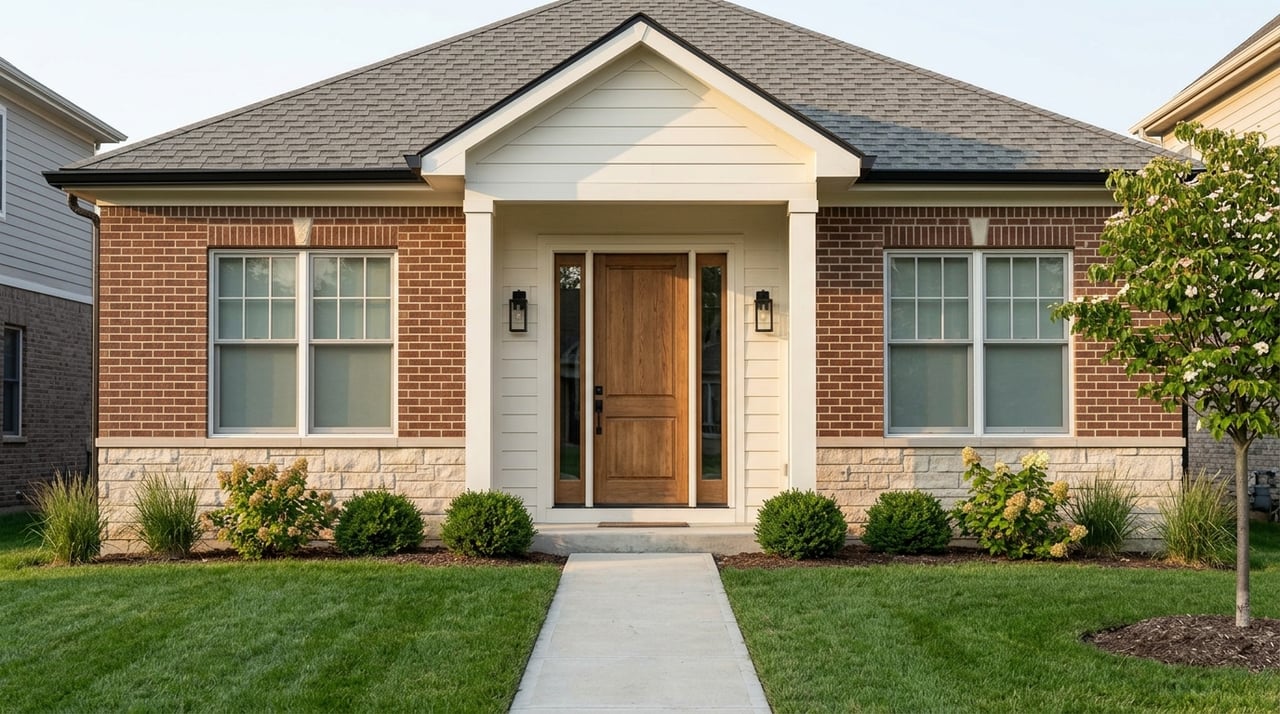
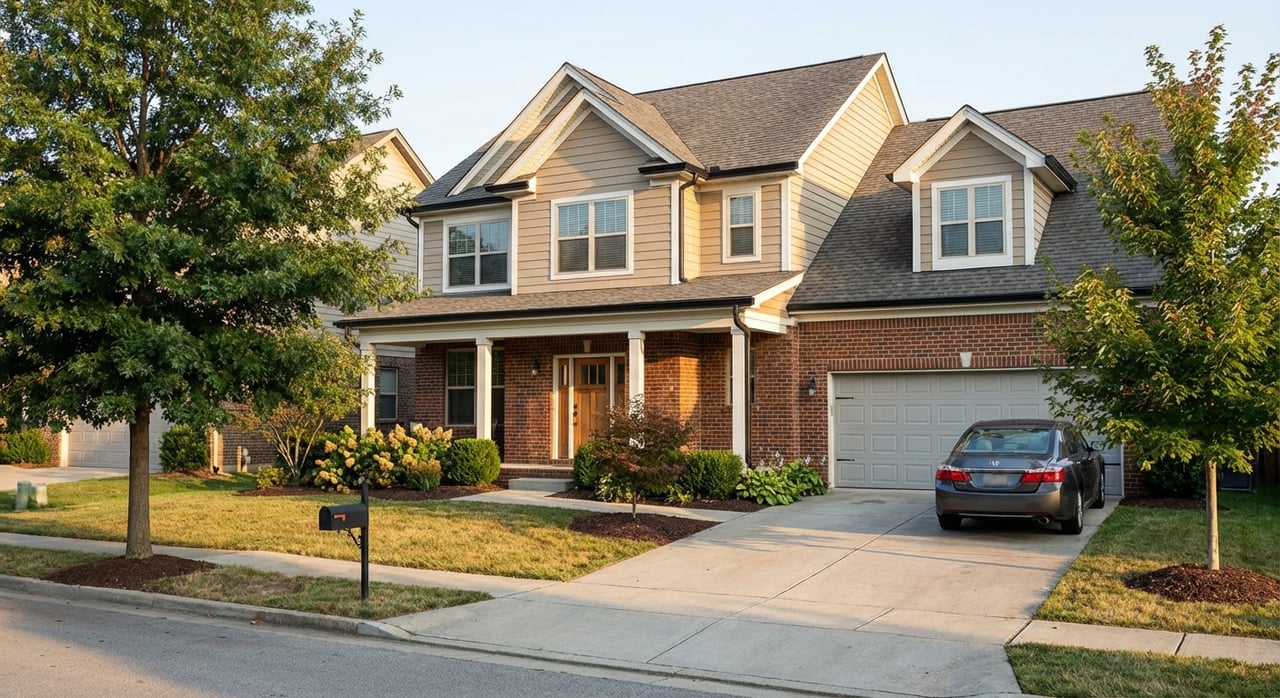
- Exterior: Tidy beds, add fresh mulch, and cover bare spots to avoid muddy photos in early spring. Trim shrubs and edge walkways for a crisp look.
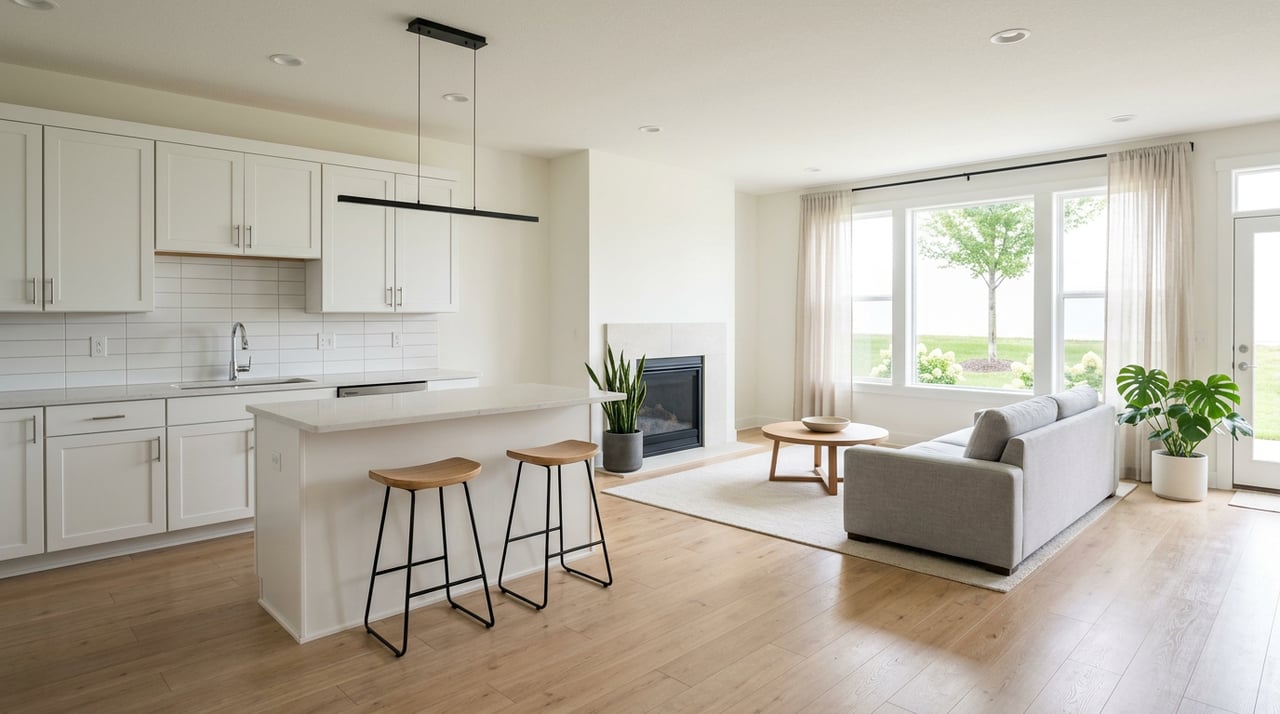
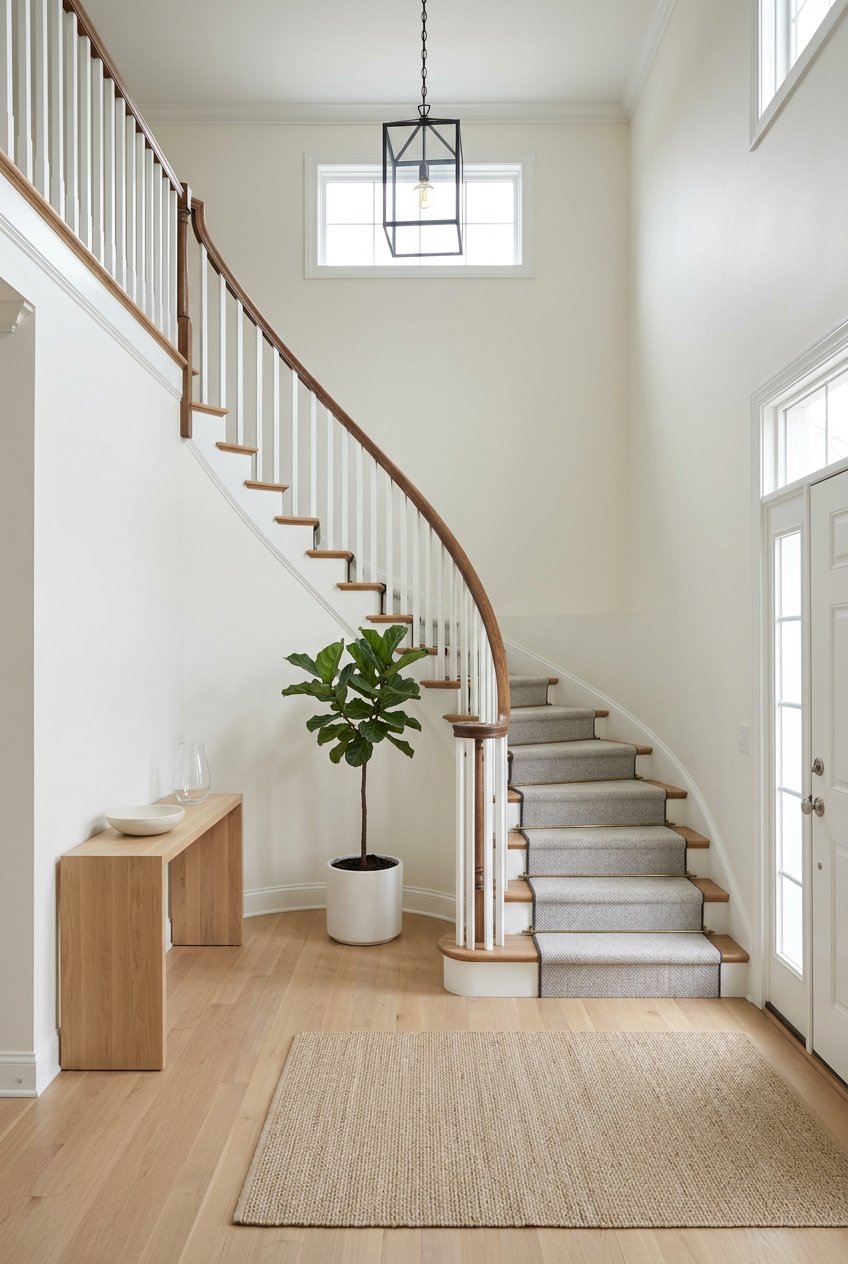
- Interior: Stage after cleaning and painting. Use bright, neutral colors to widen appeal. Schedule photos when natural light is best.
- Visual assets: Add a virtual tour and a clean floorplan at the photography appointment to improve online engagement.
Contractors and permits
Book reliable pros 6 to 12 weeks ahead during busy months. If your project needs permits, check timelines with city or county offices and add buffers for inspections.
Pre-listing inspection: pros and cons
- Pros: You identify issues early, reduce surprises, and may speed up closing.
- Cons: You pay upfront and might uncover items that affect pricing.
If you expect buyers to ask about major systems, a targeted pre-list inspection can be helpful.
Pricing and marketing to capture spring momentum
Price for the first two weeks
Spring brings more buyers and more listings. Accurate local pricing is essential. Use recent comparable sales from the last 30 to 90 days and adjust for any seasonal differences. Your goal is to attract strong showings in the first 1 to 2 weeks, where the best offers often appear.
Talk with your agent about whether to price for early multiple-offer potential or to list at market value and adjust based on showing feedback. The right call depends on current inventory and demand.
Launch with strong visuals and early buzz
- Pre-list marketing: “Coming soon” exposure can create early awareness when used within MLS rules.
- Photos and tours: Invest in professional photos, a standout cover image, and a virtual walkthrough. Most buyers begin online, and your first 7 to 14 days matter most.
- Open houses: Hosting on the first weekend can help capture spring traffic and build momentum.
Seasonal messaging that resonates in Evansville
- If listing in spring: Showcase landscaping, outdoor living, and updated systems.
- If listing in late winter: Lean on warm, well-lit interior staging and a thorough virtual tour so buyers can visualize the home in peak seasons.
- For households timing around the school year: Make your possession dates clear and flexible within reason.
Staging specifics for local homes
Neutral, decluttered interiors help buyers focus on your space. In many Evansville neighborhoods, older homes benefit from clear notes about maintained systems like HVAC, roof, and electrical. Outside, neat beds, edged lawns, and seasonal planters go a long way.
Special situations that change timing
- Market conditions: Shifts in mortgage rates or inventory can alter demand. Spring may still be active, but results vary by year. Check recent local MLS trends before finalizing your date.
- Personal timeline: Job changes, family needs, and financial goals can outweigh seasonal advantages. If your timeline is fixed, optimize presentation and pricing for that window.
- Property type: Unique or higher-end homes might follow a different demand curve and need tailored marketing.
Your next steps
- Decide your ideal move-out window and work backward using the 2 to 4 month framework.
- Choose a prep plan that fits your home and schedule. If you’re targeting a spring launch, start 8 to 12 weeks early.
- Align pricing and marketing with current local inventory and buyer demand.
If you want a clear, step-by-step plan tailored to your address, connect with Jason Brown. With broker-led guidance, MLS-connected tools, and full-service support, you’ll know exactly when to list and how to maximize your results in Evansville and Vanderburgh County.
FAQs
When should I list in Evansville to move by summer?
- Aim to list in March or April so you can market, accept an offer, and complete the typical 30 to 45 day closing by late May through early July.
Is winter a bad time to sell in Vanderburgh County?
- Not necessarily; there are fewer buyers but also fewer competing listings, and winter buyers are often motivated, so strong interior staging and great photos are key.
How long does closing usually take after accepting an offer?
- For financed buyers, plan on about 30 to 45 days; cash deals can sometimes close within 2 to 3 weeks if title and inspections are straightforward.
How far ahead should I book contractors for pre-list repairs?
- In spring and summer, book 6 to 12 weeks in advance; for minor cosmetic work, 2 to 4 weeks can be enough.
What if I need to sell quickly and can’t do major repairs?
- Focus on cleaning, decluttering, small fixes, and professional photos, and price competitively to attract pre-approved or cash buyers who can move faster.