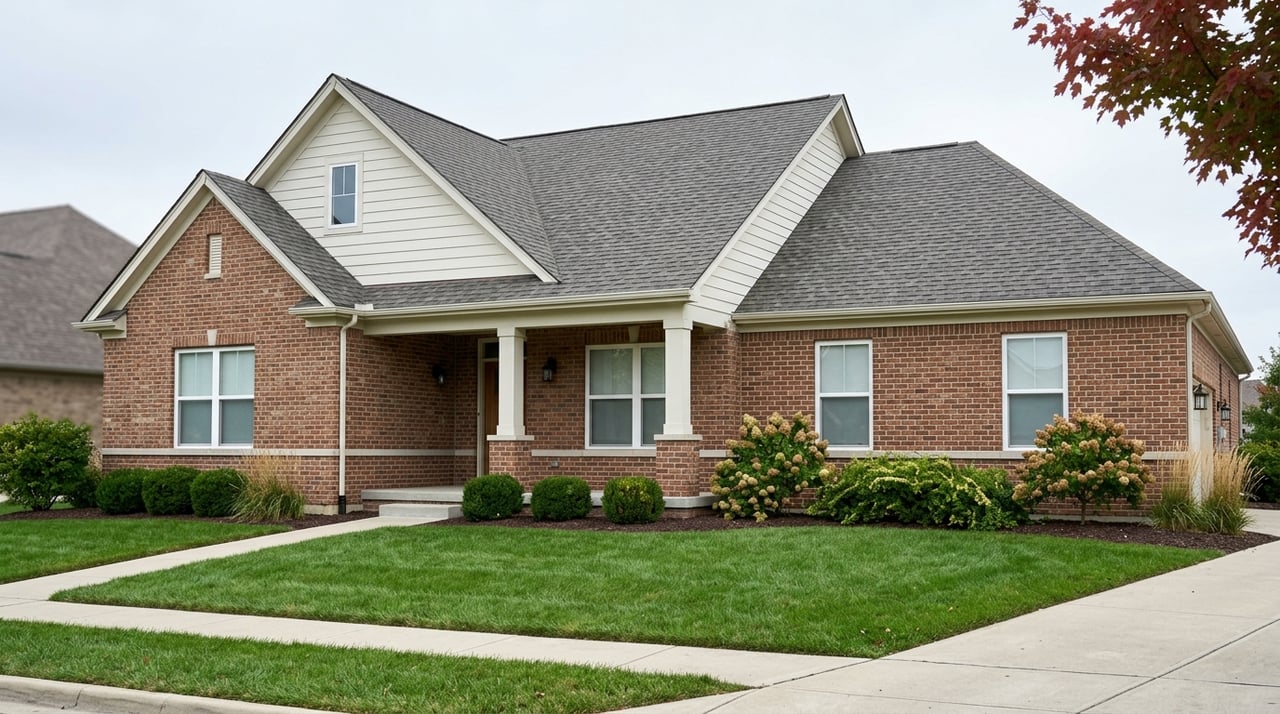
List Your Evansville Home With a Smart 90-Day Plan
Thinking about selling your Evansville home soon? If you plan to list in the next 90 days, the steps you take now can shape how smoothly your sale goes and how buyers respond once your home hits the market. A balanced, price-sensitive market means preparation matters, and this guide will help you focus on the right moves at the right time. Let’s dive in.
Evansville’s housing market is still active, but it is not a market where you can rely on guesswork. Realtor.com reported 873 active for-sale listings in April 2026, with a median listing price of $182,450, a median sold price of $203,450, and a median of 47 days on market. It also reported that active listings were up 13.72% year over year and median days on market were up 27.03% year over year.
Other major platforms show different numbers, but they point in a similar direction. Redfin’s March 2026 snapshot showed a median sale price of $166,000 and 23 days on market, while Zillow reported an average home value of $198,977 and homes going pending in around 21 days as of March 31, 2026. The big takeaway is simple: buyers are still out there, but accurate pricing and strong presentation matter.
One of the biggest mistakes sellers make is looking at one citywide number and assuming it applies to their home. In Evansville, neighborhood and ZIP code differences can be dramatic. Realtor.com shows median listing prices ranging from $95,000 in ZIP code 47713 to $397,500 in ZIP code 47725.
Days on market vary widely too. The same source shows a median of 143 days on market in 47713 and 35 days in 47725. That means your pricing strategy and listing timeline should be based on neighborhood-level comparable sales, not a broad city headline.
The first month should focus on planning, not rushing. This is the time to review local market conditions, estimate your equity, think through likely selling costs, and decide what kind of listing strategy makes sense for your home. Starting early gives you more control and fewer last-minute surprises.
This is also the right time to walk through your home with a critical eye. Look at the roof, structure, plumbing, electrical systems, heating and cooling, and any visible wear that could raise questions for buyers. A pre-sale inspection is optional, but it can help uncover issues before they become negotiation problems.
You do not need to fix everything before you list. What matters most is identifying the items that may affect buyer confidence or value, then getting estimates for major repairs so you can decide whether to repair, offer a credit, or price the home accordingly.
Try to separate repairs into three groups:
This helps you avoid overspending in areas that may not move the needle. In many cases, clean condition, working systems, and a realistic price matter more than a full remodel.
If you are selling a 1-to-4-unit residential property in Indiana, the state’s Seller’s Residential Real Estate Sales Disclosure generally applies. The official form says it must be completed using your current actual knowledge and delivered to a prospective buyer before an offer is accepted. It also says any material change in condition must be disclosed at or before settlement.
In Vanderburgh County, there is also county transfer paperwork to think about. The county says the sales disclosure form must be submitted to the assessor for approval and stamp before a conveyance document is filed with the auditor. The deed package also needs a notarized seller signature, legal description, preparer’s name, mailing address for the tax bill, and either the sales disclosure form or a stamp showing none is required.
Vanderburgh County also charges a $10 transfer fee for each legal description in the deed. None of this means you need to panic, but it does mean closing week is too late to start asking what paperwork you need. A local broker-led plan can help you stay ahead of these steps.
The middle month is where your home starts becoming market-ready. This is the time to declutter, deep clean, and remove distractions so buyers can focus on the home itself. Neutral, simple spaces tend to photograph better and feel easier for buyers to picture as their own.
Curb appeal matters here too. Small improvements like tidying landscaping, touching up paint, and making the front entry look clean and welcoming can shape a buyer’s first impression before they even step inside. These updates do not have to be expensive to be effective.
As you prepare the home, gather useful records and documents. This may include:
Having these ready can make the transaction feel more organized and transparent. It also saves time once buyers start asking questions.
The final month before launch is all about presentation. According to the National Association of Realtors’ 2025 Profile of Home Staging, 83% of buyers’ agents said staging makes it easier for buyers to visualize a property as a future home. The same report found that photos were important to 73% of buyers’ agents and 88% of sellers’ agents.
That is why photography should come after the home is cleaned and staged, not before. Even if you do not hire a full professional staging service, simple staging and room-by-room editing can make a major difference in how your home shows online.
The same staging report found that the most commonly staged rooms were:
If you are deciding where to focus your time and budget, start there. These are often the spaces that shape a buyer’s first impression in photos and in person.
Staging does not have to mean replacing all your furniture or spending a fortune. The report found a median spend of $1,500 on a professional staging service, but many sellers can improve presentation with lighter furniture placement, fewer personal items, clean surfaces, and better lighting. The goal is to make the home feel open, calm, and easy to understand.
Once your home is photo-ready, you can focus on timing the launch. In a market like Evansville, the best listing date is not just a date you pick on the calendar. It should line up with when your home is truly ready for photos, showings, and neighborhood-based pricing.
This is also the point where your daily routine may need to shift. Fannie Mae notes that once your home is listed, you should expect tours with little notice. A clean, show-ready routine can make those last-minute showings much less stressful.
Once listed, the marketing plan will likely include MLS exposure and may also include open houses, virtual tours, and flyers. What matters most is that your home enters the market looking polished and priced with local comps in mind. A rushed launch can be hard to undo.
Fannie Mae also notes that the longer a home stays on the market, the harder it typically becomes to sell. That does not mean you should rush to list before you are ready. It means your best chance often comes when you launch with the right price and presentation from day one.
No, and for most sellers, that is good news. The smarter approach is to identify the repairs most likely to matter to buyers, gather estimates for significant issues, and make a plan based on cost, timing, and likely return. Some homes need repair work, while others simply need a cleaner look, fewer distractions, and a sharper pricing strategy.
In a price-sensitive market, buyers notice condition, but they also compare value carefully. If your home needs work, that does not automatically mean you should delay your sale. It means you should decide early whether to fix, credit, or price accordingly.
The first part of the selling process is where many of the biggest decisions get made. This is when you sort through neighborhood comps, repair priorities, timing, disclosures, and launch strategy. Getting organized early can reduce stress and help you avoid delays later.
That is especially true in a market with different price points and pace across Evansville ZIP codes. A broker-led, local approach can help you focus on what matters for your specific property rather than relying on generic advice.
If you’re planning to list your Evansville home in the next 90 days, now is the time to build a smart plan. For personalized, local guidance on pricing, prep, and timing, connect with Jason Brown.
We pride ourselves in providing personalized solutions that bring our clients closer to their dream properties and enhance their long-term wealth. Contact us today to find out how we can be of assistance to you!