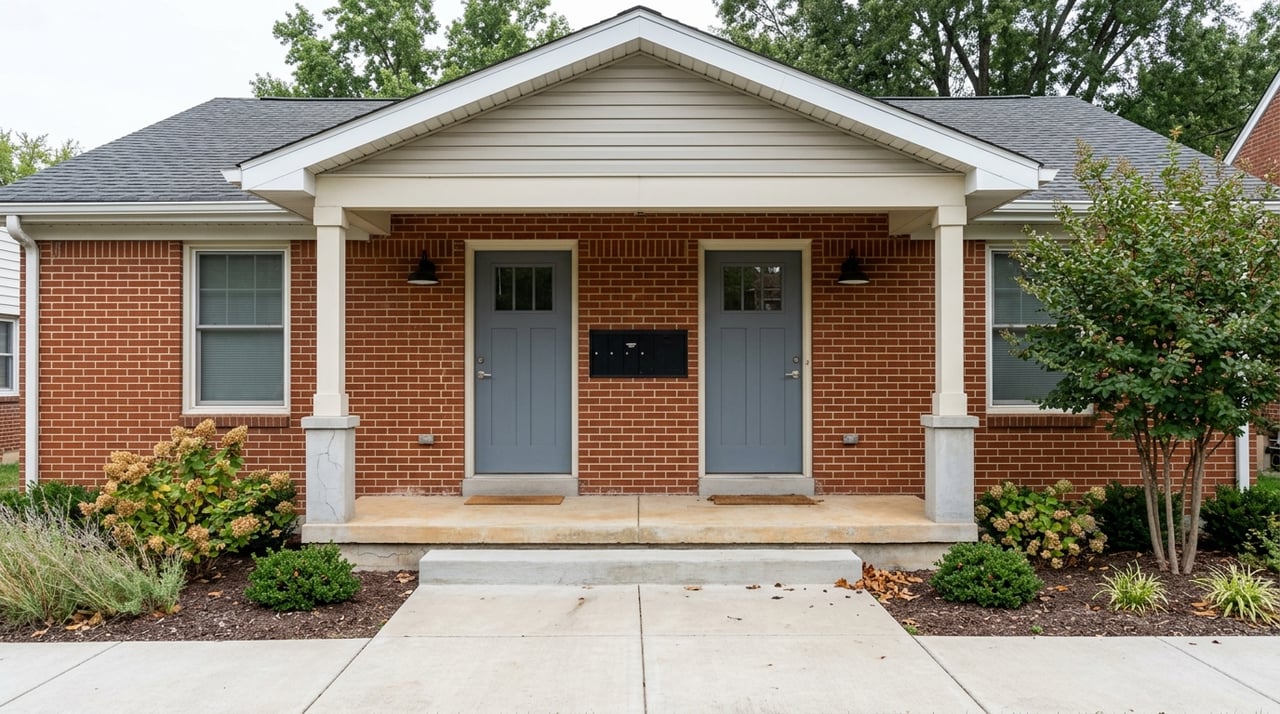
When To Hire A Property Manager In Posey And Spencer Counties
Are you spending more time chasing maintenance calls, coordinating showings, and keeping up with paperwork than actually enjoying your rental investment? In Posey and Spencer Counties, that tipping point can come faster than many owners expect, especially when properties are spread out and daily tasks require more drive time. If you are wondering whether it is time to stop self-managing, this guide will help you spot the signs, understand what a property manager actually does, and decide what makes sense for your rental goals. Let’s dive in.
Posey and Spencer Counties are not large, high-density rental markets. According to U.S. Census QuickFacts, Posey County had an estimated population of 25,067 in 2024 and Spencer County had 20,192, with both counties showing owner-occupancy rates above 81%.
That matters if you own rentals. In markets where renter households are a smaller share of the overall housing mix, every vacancy, delayed repair, and leasing mistake can have a bigger impact on your time and your bottom line.
Local housing data points in the same direction. The Posey County Housing Study projects demand for 922 new housing units over 10 years, including 313 multifamily or renter-occupied units, while Spencer County planning documents note about 1,300 rental units and roughly 8% vacancy. Rentals clearly matter here, but the market is also more limited and dispersed than in larger metro areas.
Once you are juggling tenant screening, rent collection, maintenance requests, inspections, renewals, and bookkeeping at the same time, you are doing more than occasional landlord tasks. You are running an operations function.
That is consistent with how the industry defines professional management. IREM describes property managers as overseeing physical operations, financial performance, tenant relations, and market positioning, while NARPM highlights screening, rent collection, maintenance, and legal compliance.
If you are starting to feel like your rental owns your calendar, that is often the moment to consider handing off the daily workload.
Distance creates more friction in rural counties. Posey and Spencer Counties have relatively low population density, at 61.6 and 49.9 people per square mile according to U.S. Census QuickFacts.
In practical terms, that can mean more time spent driving to showings, inspections, vendor meetings, and emergency visits. Even if you own only one or two properties, living out of county can make self-management feel harder much sooner.
Many owners can manage a property on paper. The real question is whether you can do it promptly and consistently while balancing work, family, travel, or other responsibilities.
According to NARPM’s guide to hiring a property manager, professional management helps reduce the inconsistency that can show up when an owner is stretched too thin. If tenant questions sit too long, repairs are delayed, or lease renewals keep getting pushed back, that is a strong sign your current system may not be sustainable.
One nearby rental can be manageable for many owners. Several properties across Posey and Spencer Counties are different.
As your portfolio grows, so does the number of moving parts. Turnovers, maintenance coordination, lease dates, payment tracking, and inspection follow-up can pile up quickly, especially when the homes are not close together.
Landlord responsibilities are not just operational. They also involve deadlines, notices, documentation, and recordkeeping.
Indiana’s Renting in Indiana Handbook explains that a landlord generally must return a security deposit, minus lawful deductions, or provide an itemized notice within 45 days after the rental agreement ends and possession is returned. The handbook also notes that if the required notice is not sent after receiving a forwarding address, a tenant may be able to pursue the full deposit and attorney fees.
If that kind of timing and paperwork feels difficult to track, especially during busy turnover periods, professional management can reduce risk by creating a more consistent process.
A full-service property manager usually handles the front end of the rental cycle, including marketing, showings, applicant screening, and lease preparation. According to NARPM and IREM, those tasks are core parts of professional management.
This matters because the leasing process is where small mistakes often create bigger problems later. In a smaller rental market, a missed screening step or weak documentation process can be harder to recover from.
Collecting rent is only part of the job. Good management also includes tracking payments, documenting charges, and keeping financial reporting organized.
For owners who want a clearer picture of property performance, that structure can be just as valuable as the rent collection itself.
Maintenance is often the task owners underestimate most. It is not just taking a call and sending someone out. It also includes vendor communication, scheduling, follow-up, and making sure the issue was resolved.
In counties where housing stock includes many single-family homes and older homes, that coordination can become time-consuming. The Posey County Housing Study notes that much of the housing stock was built in the 1960s and 1970s, which can make repair oversight especially important.
Professional management often includes inspection follow-up and documentation throughout the lease cycle. That can help support move-in records, maintenance tracking, renewals, and move-out files.
When you are managing from a distance or handling multiple units, keeping those records organized can make a major difference.
Security deposit issues are one of the clearest examples of why process matters. Indiana law generally gives landlords a 45-day timeline to return the deposit or provide an itemized statement of deductions after lease termination and delivery of possession, as outlined in the state landlord and tenant handbook.
That deadline may sound simple, but it depends on accurate records, prompt inspections, and timely communication. If you are managing turnovers while also coordinating repairs and new leasing activity, it is easy to see how something could slip.
If a tenancy issue escalates, Indiana does not allow self-help eviction methods like changing locks or shutting off utilities. The Renting in Indiana Handbook and Indiana Legal Services both make clear that eviction is a legal process handled through the courts.
Indiana Legal Services also notes that many nonpayment cases require a 10-day notice before filing. For owners, that means timelines and documentation are not optional details. They are central parts of protecting your rights and handling the process correctly.
If you are on the fence, these three questions can help clarify the decision.
More units usually mean more complexity. Even a small portfolio can become difficult to manage when lease dates, repairs, and tenant communication overlap.
The farther away you are, the more every task costs in travel time and scheduling. In a low-density area, those extra miles add up fast.
If showings are delayed, paperwork is hard to track, or notices feel stressful, your system may be at its limit. That does not mean you have failed as an owner. It usually means your portfolio has reached the point where professional support can make operations smoother.
For many owners in Posey and Spencer Counties, hiring a property manager is less about luxury and more about reducing friction. These are smaller, mostly owner-occupied counties where rental demand exists, but the work of managing each unit can be more hands-on than owners expect.
Hiring help often makes sense when you:
If any of those sound familiar, it may be time to look at management as a way to protect both your time and your investment.
You do not need a massive portfolio to benefit from professional management. In markets like Posey and Spencer Counties, the better question is whether you can handle the full rental cycle consistently, from marketing and screening to maintenance coordination and compliance tracking.
If the answer is becoming less clear, a local, hands-on management partner can simplify the process and help you stay focused on the bigger picture. If you are weighing your options as a landlord or investor, Jason Brown can help you understand what level of support fits your property and goals.



We pride ourselves in providing personalized solutions that bring our clients closer to their dream properties and enhance their long-term wealth. Contact us today to find out how we can be of assistance to you!